
Interior painting costs range from $2 to $6 per square foot. Factors include room size, paint type, and labor.
Interior painting can transform the look and feel of your home. Costs vary based on several factors, making it essential to plan your budget. Room size directly impacts the overall expense, with larger rooms costing more. The type of paint also plays a significant role; high-quality paints are more expensive but offer better durability.
Labor costs can vary depending on your location and the experience of the painters. By understanding these elements, you can make informed decisions and achieve the best results for your interior painting project. Proper planning ensures you get value for your money while enhancing your living space.
Key Determinants of Interior Painting Costs
Understanding the cost of interior painting can help you plan your budget. Several factors influence the overall expenses. These key elements determine how much you will spend. Below, we break down the primary factors affecting interior painting cost.

Room Size
The size of the room is a major cost factor. Larger rooms need more paint and time. This increases the overall cost.
Small Rooms:
Less paint required
Lower labor costs
Large Rooms:
More paint needed
Higher labor charges
Effects of Interior Paint Quality
Paint quality significantly affects the cost. High-quality paints are more expensive. They offer better coverage and durability.
Type of Paint | Cost Range (per gallon) |
|---|---|
Standard | $30 – $55 |
Premium | $60 – $100 |
Choosing premium paint can cost more. But, it may save money in the long run.
Painting Contractor or Labor Charges
Labor charges are another crucial factor. Professional painters charge based on experience and efficiency.
Factors Influencing Labor Charges:
Painter’s experience level
Complexity of the job
Time required to complete the task
Experienced painters may charge more. Yet, they can deliver higher-quality work faster.
Interior Painting Prices List of Carolina Painting and Pressure Cleaning
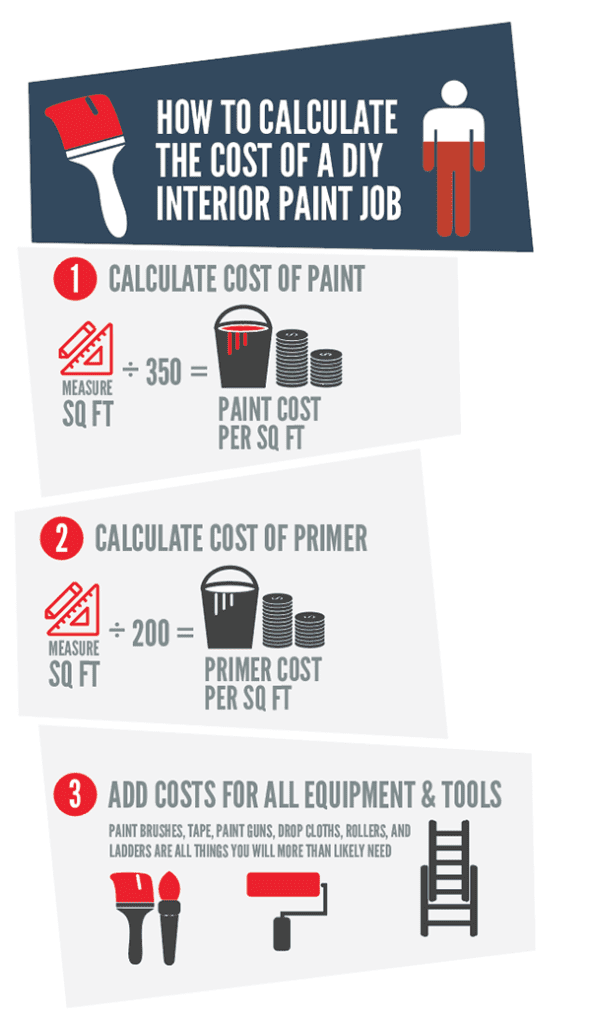
Painting Preparation Tips To Save Money
Want to save money on your interior painting project? Proper preparation can help you cut costs and achieve better results. Follow these tips to keep your budget in check.
Interior Surface Cleaning
Before you start painting, clean the surfaces well. Dirty walls can make paint look uneven. Use a mild detergent and water to wash the walls. Remove dust and cobwebs with a soft cloth. Clean surfaces help paint stick better, making fewer coats needed.
Here’s a quick checklist for surface cleaning:
Wash walls with a mild detergent.
Remove dust and cobwebs.
Rinse with clean water and let dry.
Protecting furniture from paint spills
Protect your furniture to avoid damage. Move furniture to the center of the room. Cover items with drop cloths or plastic sheets. Protecting furniture saves you from costly repairs and replacements.
Follow these steps to protect furniture:
Move furniture to the room’s center.
Cover items with drop cloths or plastic sheets.
Use painter’s tape to secure covers.
Choosing The Right Paint Finish
Choosing the right paint finish is important for your interior painting project. The finish affects the look, feel, and durability of your walls. Let’s explore the options and their benefits.
Matte Vs. Glossy
Matte finishes are non-reflective and create a smooth, elegant look. They hide wall imperfections well but are less durable.
Glossy finishes are shiny and reflective. They make rooms feel brighter and are easy to clean. Glossy finishes highlight imperfections, so walls need to be smooth.
Durability And Maintenance
Matte finishes are less durable and harder to clean. They are ideal for low-traffic areas like bedrooms.
Glossy finishes are very durable and easy to maintain. They are perfect for high-traffic areas like kitchens and bathrooms.
Consider using a semi-gloss finish for a balance between durability and appearance. Semi-gloss finishes are versatile and suitable for most rooms.
Finish Type | Durability | Maintenance |
|---|---|---|
Matte | Low | Hard to clean |
Glossy | High | Easy to clean |
Semi-Gloss | Medium | Moderate to clean |
Choose a finish that matches your room’s use and style. A thoughtful choice ensures your walls look great and last long.

Surface Cleaning
Expert Techniques For Efficiency
Painting your home can be exciting but challenging. Knowing expert techniques boosts efficiency and ensures a professional finish. Here, we explore two essential techniques: Cutting In and Rolling Tips.
Cutting In
Cutting in is painting edges and corners. It ensures a clean finish. Follow these steps for perfect edges:
Use a high-quality brush: A good brush gives better control.
Load the brush properly: Dip the brush halfway into the paint.
Steady your hand: Use your free hand to steady the brush.
Start away from the edge: Begin painting an inch from the edge. Move towards the edge for a straight line.
Rolling Tips
Rolling large areas quickly and evenly saves time. Here are key tips for efficient rolling:
Choose the right roller: Use a roller with the correct nap for your surface.
Load the roller evenly: Roll it in the paint tray until covered evenly.
Use a ‘W’ pattern: Apply paint in a ‘W’ shape for even distribution.
Work in sections: Paint a 4×4 foot area at a time. This keeps the edges wet.
Technique | Tip |
|---|---|
Cutting In | Use a high-quality brush |
Rolling | Apply paint in a ‘W’ shape |

Frequently Asked Questions
How Much Does Interior Painting Cost?
The cost of interior painting varies. On average, it ranges from $1 to $3 per square foot. Factors like room size, paint type, and labor can influence the cost.
What Factors Affect Interior Painting Cost?
Several factors affect the cost. These include room size, paint quality, labor rates, and preparation work needed. Each of these can significantly impact the final price.
How Can I Save On Interior Painting?
To save money, consider doing some prep work yourself. Buying paint during sales or hiring painters during off-peak seasons can also reduce costs.
How Long Does Interior Painting Take?
The time required depends on the room size and complexity. Generally, a single room can take 1 to 2 days. Larger projects may take longer.
Conclusion
Understanding interior painting costs helps in budgeting and planning. Always compare quotes from multiple professionals. Quality work ensures long-lasting results. Investing in professional painting enhances your home’s value and appearance. Make informed decisions and enjoy a beautifully painted interior.